Precision Machining Company
For Telecommunications, Electronics, Energy and Aeronautics.

Developments and Projects
In Desarrollos y Proyectos Rivero Hnos. we have been offering complete solutions in the sector of the Machining and Assembly of sub-assemblies for more than 60 years, working all kinds of materials: Steels, Aluminum or Plastics among others.
For this, we have the most advanced means of the sector and together with a fully trained and trained human team, we are able to provide the best solutions to the real needs of our clients regardless of the market they are targeting.
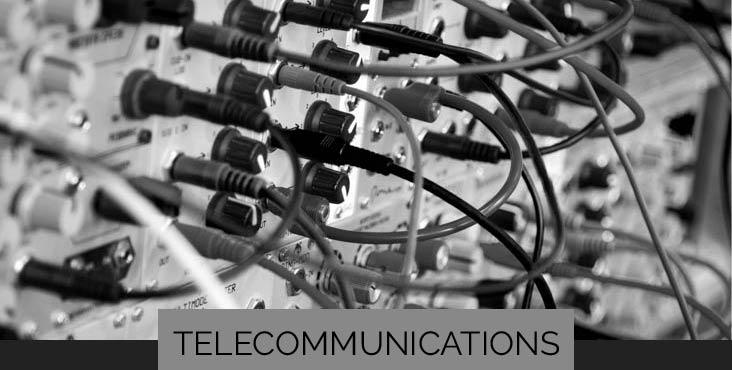
Precision machining is crucial for the manufacture of high-quality mechanical parts and components in the telecommunications industry, playing a pivotal role in creating reliable and efficient equipment that enables the transmission of information around the world.
Precision machining in electronics is a manufacturing process that uses high-precision tools and machinery to produce electronic parts and components with very tight tolerances. These processes are essential in the production of advanced electronic devices, such as integrated circuits, microprocessors, sensors, and other components that require extreme precision.
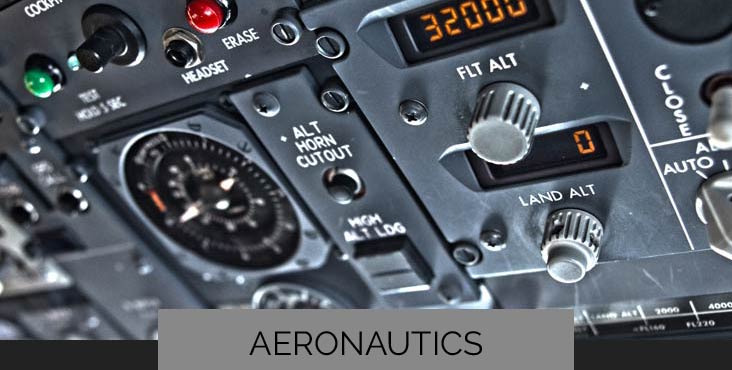
In the aeronautical industry, custom parts are extremely important due to the need for precision and safety in the components used in aircraft. Custom parts refer to customized components that are designed and manufactured to meet unique specifications, such as performance, size, weight, and strength requirements.
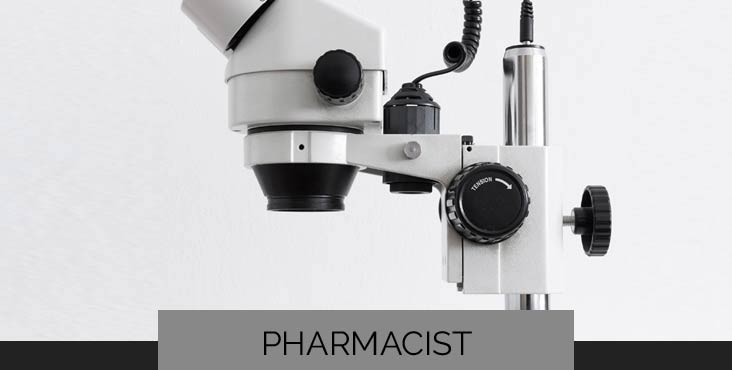
In the pharmaceutical industry, machined parts are used in the manufacture of a wide variety of products, from medical equipment to medications.
Some common machined parts used in the pharmaceutical industry include: medical device components, valves and piping components, production machinery components, and precision parts for laboratory equipment.
The energy sector requires a wide variety of high-precision machined parts to ensure the efficiency, reliability, and safety of equipment used in power generation, transmission, and distribution.
Some of the most common machined parts include turbines, pumps, valves, drilling equipment, and gearboxes.
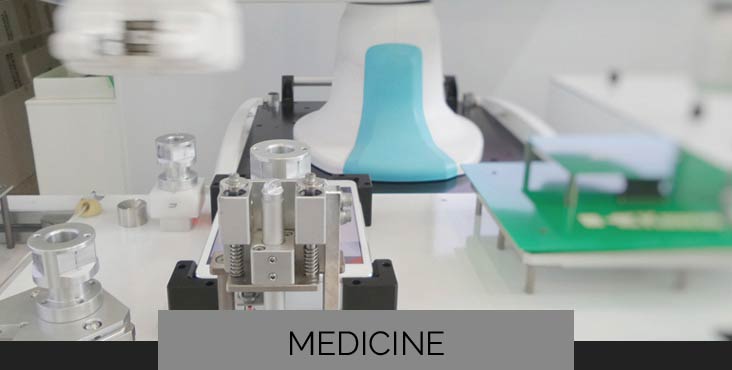
The manufacturing of custom parts in medicine is carried out through additive manufacturing technology, also known as 3D printing. This technology allows for the creation of personalized prostheses and devices from computer-generated designs, enabling a high level of precision and adaptation to individual patient needs.